
I am a naval historian with a primary focus on the age of sail. This page contains links and information about my academic publishing. For a full list of my publications and scholarly activities, download my CV. You may also want to visit my faculty page and my Amazon page.

Skip ahead to:
Books | Edited Books | Peer-Reviewed Chapters and Articles
Books
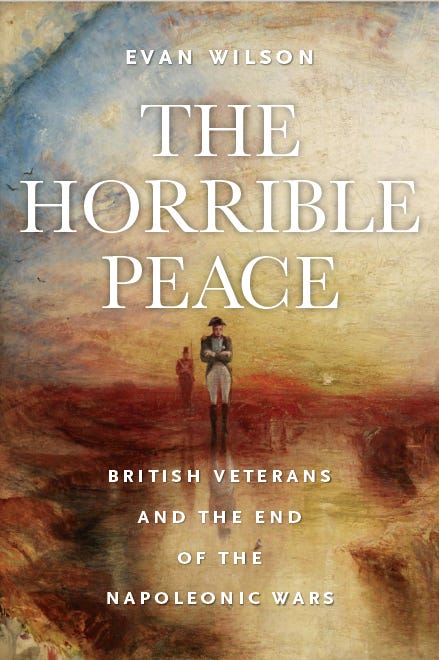
The Horrible Peace: British Veterans and the End of the Napoleonic Wars
The University of Massachusetts Press, 2023
Few battles in world history provide a cleaner dividing line than Waterloo: before, there was Napoleon after, there was the Pax Britannica. While Waterloo marked France’s defeat and Britain’s ascendance as an imperial power, the war was far from over for many soldiers and sailors, who were forced to contend with the lasting effects of battlefield trauma, the realities of an impossibly tight labor market, and growing social unrest. The Horrible Peace tells a story of distress and discontent, of victory complicated by volcanism, and of the challenges facing Britain at the beginning of its victorious century.
Examining the process of demobilization and its consequences for British society, The Horrible Peace draws on archival research and veterans’ memoirs to tell the story of this period through the experiences of veterans who struggled to reintegrate and soldiers and sailors who remained in service as Britain attempted to defend and expand the empire. Veterans were indeed central to Britain’s experience of peace, as they took to the streets to protest the government’s indifference to widespread unemployment and misery. The fighting did not stop at Waterloo.
Praise
“Wilson’s thoughtful use of first-hand accounts, memoirs, literature, and songs adds depth to a crisp narrative. He also explains why comparable studies for other conflicts are needed, and how lessons from history can help inform how modern governments and militaries might better address their own handling of peace beyond the headlines.” - Lincoln Paine, author of The Sea and Civilization: A Maritime History of the World
“The Horrible Peace makes novel arguments, and its focus on demobilization offers a truly original take on the Napoleonic era. This is a vital book and represents a crucial contribution to our understanding of warfare, politics, and society in early nineteenth-century Britain.” - James Davey, University of Exeter
“By welding together the post-war political battles—establishment politicians against radicals, bosses against industrial workers—and further weaving into that the fate of thousands of demobilized soldiers and sailors, Wilson produces an exciting and unpredictable narrative, well explained.”—Roger Knight, author of Convoys: The British Struggle Against Napoleonic Europe and America
“The Horrible Peace is a seminal work. Broad ranging but sharply focused, it is the first history of British demobilization at the end of the Napoleonic Wars and its consequences. It fills a major gap in the existing literature and raises broader questions about the nature of early nineteenth-century Britain.” Martin Wilcox, University of Hull
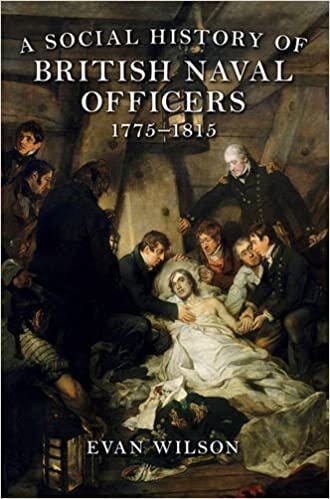
A Social History of British Naval Officers, 1775–1815
The Boydell Press, 2017
My first monograph explores the world of British naval officers at the height of the Royal Navy’s power in the age of sail. It describes the full spectrum of officers, from commissioned officers to the unheralded but essential members of every ship’s company, the warrant officers. The book focuses on naval officers’ social status and its implications for their careers. The demands of life at sea conflicted with the expectations of genteel behavior and background in eighteenth-century Britain, and the ways in which officers grappled with this challenge forms a key theme.
Drawing on a large database of more than a thousand officers, the book argues that, contrary to the prevailing view, officers were mainly from the middling sort, not the landed elite. It shows how the navy attracted hordes of hopeful commissioned officers, how unemployment was common for the majority even in wartime, and how only a select group managed to gain promotion to post-captain. The book corrects our understanding of the men who lived and served in the wardrooms of the Royal Navy and refocuses our attention away from those who won fame and fortune and onto ordinary naval officers.
Reviews
“A valuable contribution to existing scholarship which deserves its place on the shelves of academics and amateurs.” - The Nelson Despatch
“An innovative analysis of the British naval officer corps of the late eighteenth century.” - James Davey, The English Historical Review
“[Wilson] has presented a strong case for adjusting our idea of the background, the career path, prospects and social standing of warrant and commissioned officers between 1775 and 1815. This book will appeal to people studying the Royal Navy of the long eighteenth century, the development of naval officers, and the ideas of ‘nobility’ and ‘gentleman.’” - Thomas Malcomson, Northern Mariner/Le Marin du Nord
“Highly recommended, both as an excellent guide to the late eighteenth century naval officer corps, and as a model for conducting naval history in combination with social and cultural perspectives.” - Timothy Jenks, International Journal of Maritime History
Skip to:
Books | Edited Books | Peer-Reviewed Chapters and Articles
Edited Books
The Routledge Handbook of the Second World War in the Pacific
Routledge, 2027
This collection of over fifty essays provides a comprehensive overview of the Pacific theater of World War II. Scholars and practitioners from around the globe unite their expertise to explore the interaction of the belligerents, with multiple chapters co-written by Japanese and American authors.
Part I provides the political, economic, military, strategic, and legal backdrop. Part II highlights operational and strategic concepts and approaches: assessment, deterrence, strategic culture, war gaming and planning, access and anti-access campaigns, cumulative and sequential operations, strategic and operational intelligence, and logistics. Part III focuses on turning points: the Axis alliance, wartime mobilization, naval buildups, the key campaigns of Malaya, Midway, Guadalcanal, and Leyte Gulf, unrestricted submarine warfare, and aerial bombing. Part IV turns to the warzone societies with chapters on Australia, China, Indonesia, India, Indochina, Japan, Malaysia, and the Philippines. Part V concludes with the war’s diverse legacies: the Communist victory in China, suspicions of a Pearl Harbor coverup, the transformation of international law, the fate of veterans, the teaching of the war, its operational and doctrinal lessons, and the many movies and museums about it.
The handbook offers original and enduring analyses that will interest scholars, students, policymakers, and history buffs alike.
Planning for War at Sea: 400 Years of Great Power Competition
Naval Institute Press, 2025
How have navies thought about possible enemies? How did they learn, or fail to learn, once operations began? What lessons can we highlight for today’s practitioners? These questions guide the contributors to this book. Case studies range from the Anglo-Dutch Wars of the seventeenth century through to the current conflict in Ukraine. In between, there are studies of how British strategists responded to the changing character of their French enemy after 1789, an analysis of the evolution of Sir Julian Corbett’s thought through the First World War, several cases drawn from the interwar period and the first few years of the Second World War, and new perspectives on the U.S. Navy’s Maritime Strategy of the 1980s.
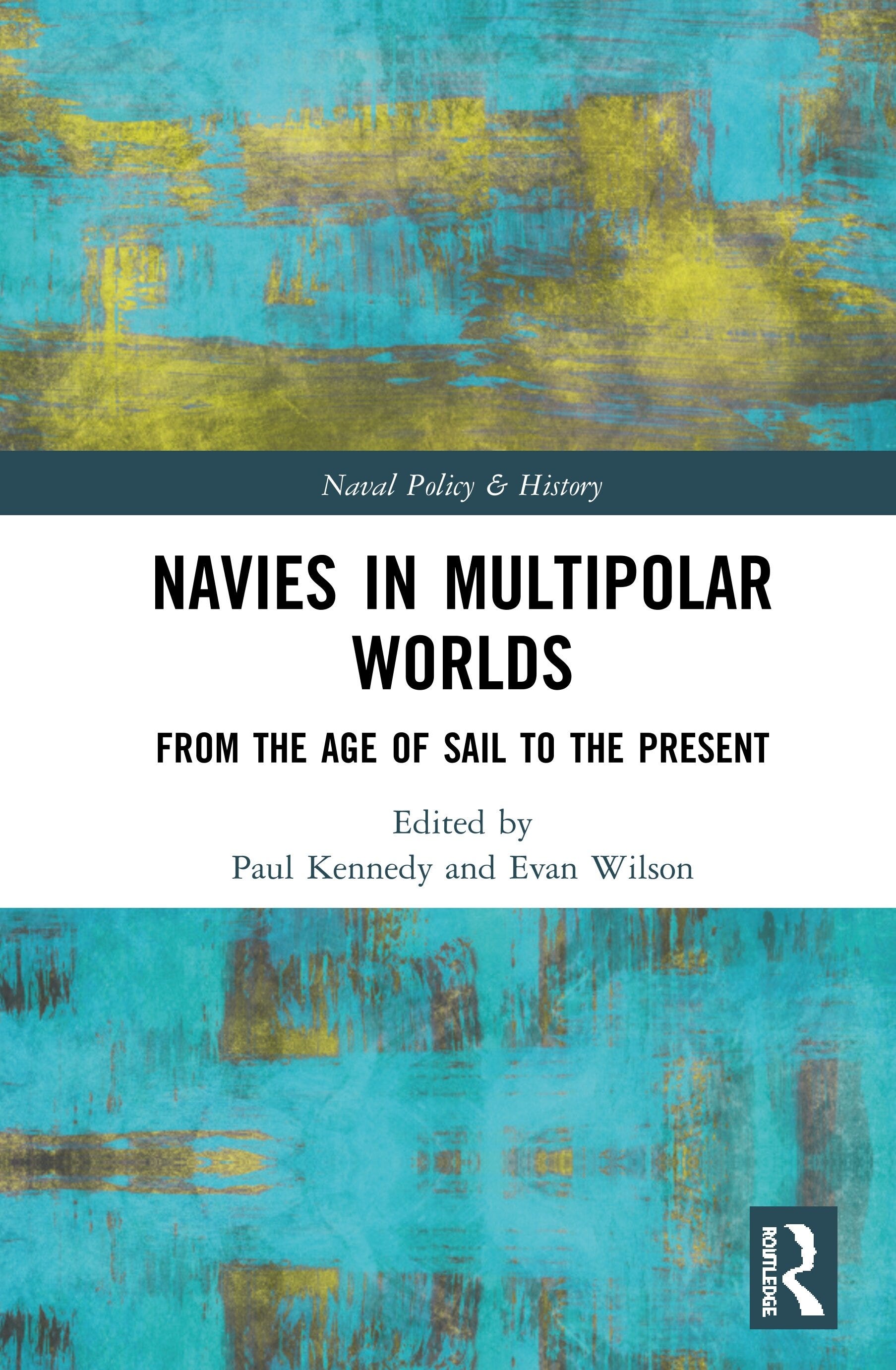
Navies in Multipolar Worlds: From the Age of Sail to the Present
Routledge, 2020
Recent challenges to US maritime predominance suggests a return to great power competition at sea, and this new volume looks at how navies in previous eras of multipolarity grappled with similar challenges. The book follows the theme of multipolarity by analyzing a wide range of historical and geographical case studies, thereby maintaining the focus of both its historical analysis and its policy implications. It begins by looking at the evolution of French naval policy from Louis XIV through to the end of the nineteenth century. It then examines how the British responded to multipolar threat environments, convoys, the challenges of demobilization, and the persistence of British naval power in the interwar period. There are also contributions regarding Japan’s turn away from the sea, the Italian navy, and multipolarity in the Arctic. This volume also addresses the regional and global distribution of forces; trade and communication protection; arms races; the emergence of naval challengers; fleet design; logistics; technology; civil-naval relations; and grand strategy, past, present, and future. This book will be of much interest to students of naval history, strategic studies and international relations history, as well as senior naval officers.

The Hattendorf Prize Lectures, Volume 1: 2011-2019
Naval War College Press, 2020
This book brings together the first four Hattendorf Prize lectures. The Prize is given by the U.S. Naval War College to honor distinguished original research in maritime history. It consists of a cash payment and a medal, seen above, and the recipient is invited to give a lecture. The first recipient was N.A.M. Rodger in 2011, followed by Paul Kennedy in 2014, Werner Rahn in 2016, and Geoffrey Till in 2018. Let this volume serve three purposes. First, it is an example of naval history done well. All the essays were written by distinguished scholars, and they demonstrate the best of the field. They look beyond operations, integrating sea power into larger frameworks; they revel in complexity, rejecting simple explanations; and most of all, they ask the right questions. The lectures also demonstrate the enduring relevance of sea power theory. Mahan is not enough, but—thanks in part to the prize laureates—no one is suggesting that he is. Understanding the parameters of the historical debates, as well as their limitations, is essential for all those interested in naval history.
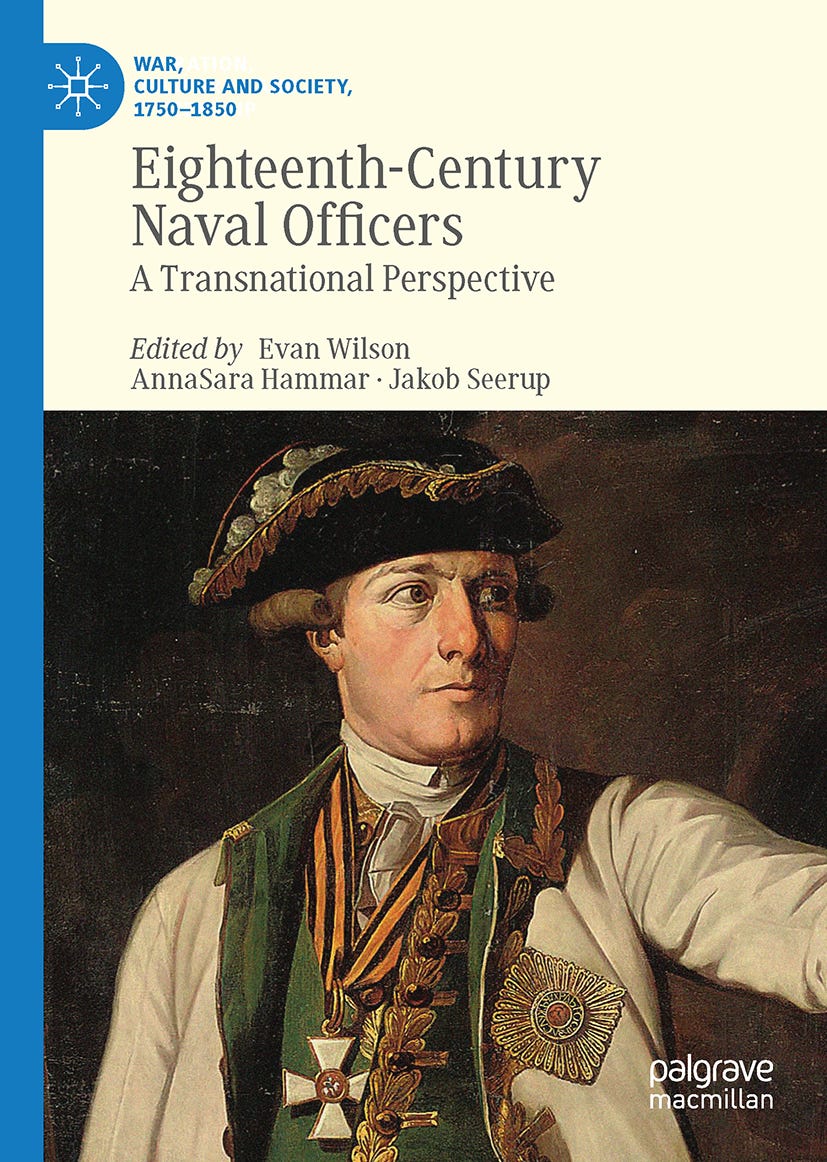
Eighteenth-Century Naval Officers: A Transnational Perspective
Palgrave Macmillan, 2019
This book surveys the lives and careers of naval officers across Europe at the height of the age of sail. It traces the professionalization of naval officers by exploring their preparation for life at sea and the challenges they faced while in command. It also demonstrates the uniqueness of the maritime experience, as long voyages and isolation at sea cemented their bond with naval officers across Europe while separating them from landlubbers. It depicts, in a way no previous study has, the parameters of their shared experiences—both the similarities that crossed national boundaries and connected officers, and the differences that can only be seen from an international perspective.
Strategy and the Sea: Essays in Honour of John B. Hattendorf
The Boydell Press, 2016
This book presents a wide range of new research on many aspects of naval strategy in the early modern and modern periods. Among the themes covered are the problems of naval manpower, the nature of naval leadership and naval officers, intelligence, naval training and education, and strategic thinking and planning. The book is notable for giving extensive consideration to navies other than those of Britain, its empire and the United States.
Skip to:
Books | Edited Books | Peer-Reviewed Chapters and Articles
Select Peer-Reviewed Articles and Chapters
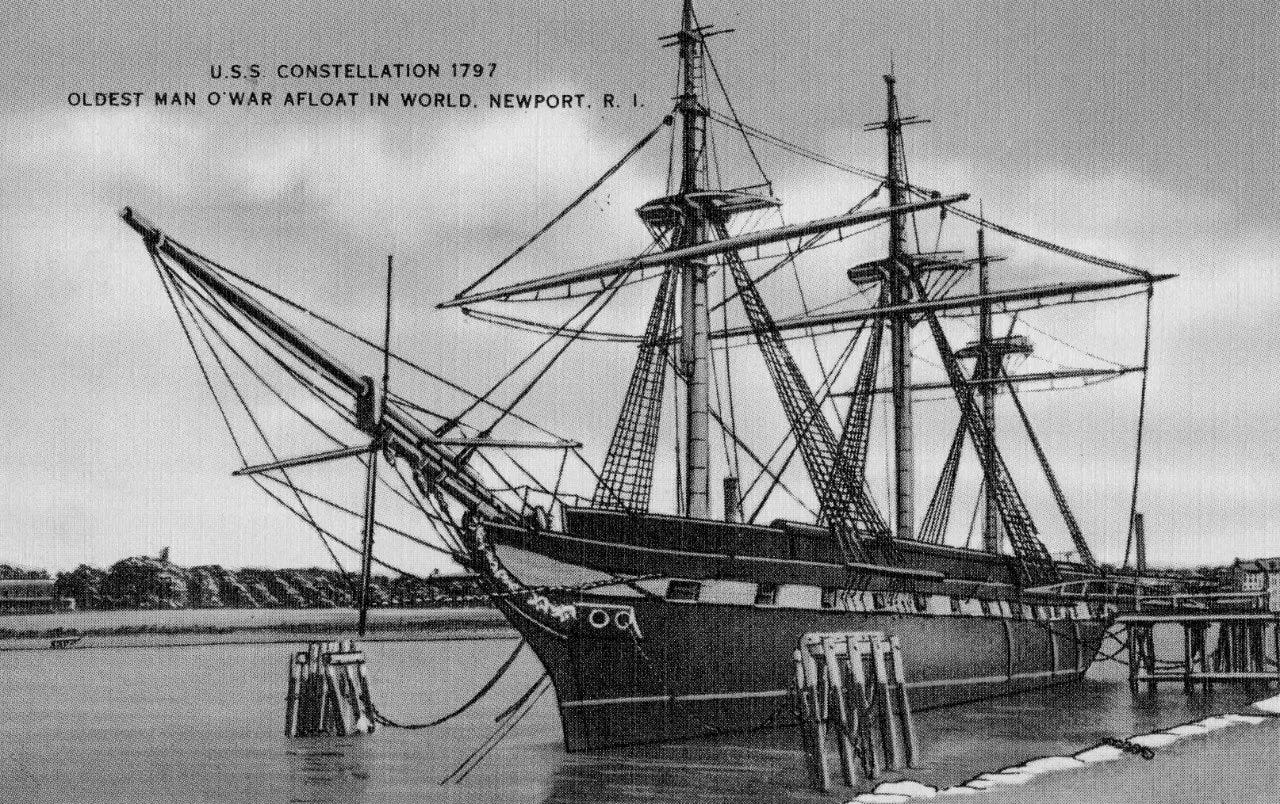
What’s in a Name? Confronting Organizational Culture in the U.S. Navy
United States Naval Institute Proceedings 150, no. 10 (October 2024).
Why did the U.S. Navy mislead the public about USS Constellation? From the dismantling of the original frigate in 1852 until 1908, the navy readily admitted that the ship stationed in Newport was actually a newly-built sloop of war. But from 1909 onward, it perpetuated lies like the one visible in the image aboveExamining the history of Constellation in the U.S. Navy’s records reveals the challenges of changing organizational culture.
Navies in the West Indies During the Age of Sail
Forum. International Journal of Maritime History
To frame this forum on navies operating in the West Indies in the age of sail, let us go back to the basics. What were the ‘ingredients’ in that bowl of sugar? And where were navies on that list? Answering these questions, it is hoped, provides background and context for the contributors’ essays, none of which deals directly with sugar, to be clear. But any historical analysis of the West Indies in this period must acknowledge how the sugar economy functioned and why it mattered.
The Monster from Elba: Napoleon’s Escape Reconsidered
The Mariner’s Mirror 107, no. 3 (August 2021): 265–279.
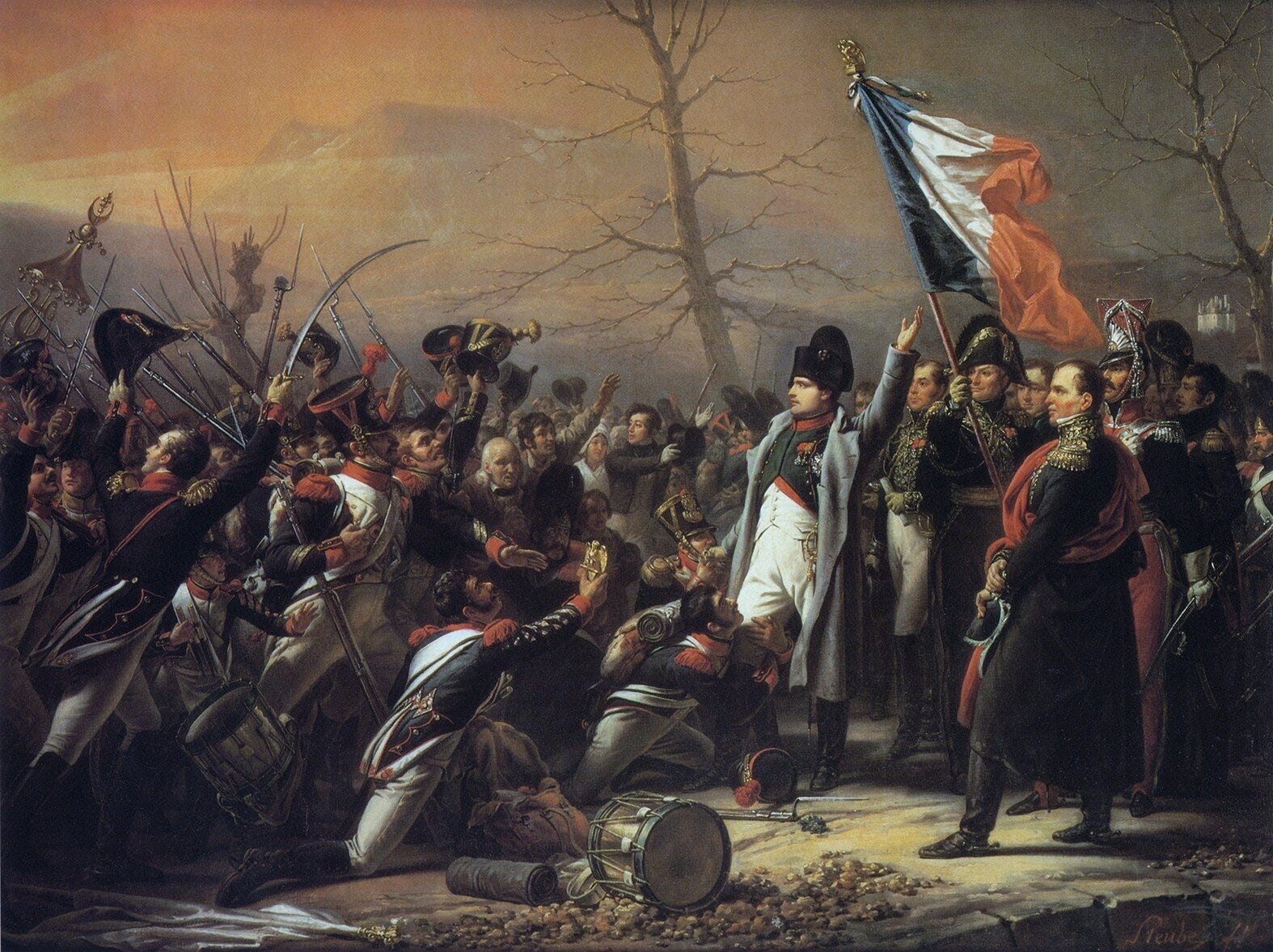
This article argues that historians have overlooked and underplayed a major British strategic error. The error was this: Napoleon’s escape from Elba in February 1815 was a preventable calamity that put the hard-won victory of the sixth coalition at risk. It had the potential to change the course of history because the allied victory at Waterloo was by no means assured. All of the allies bear some portion of the blame for Napoleon’s escape, but none more so than the British, and especially the Royal Navy, which was the only allied service capable of preventing Napoleon’s escape. Instead, Castlereagh prioritized coalition politics over Napoleon’s fate, and the navy prioritized the ongoing War of 1812 and demobilization over Mediterranean security. The British committed these blunders even though they knew that Napoleon was a flight risk, and even though the cost of reinforcing Napoleon’s guard was dwarfed by the cost of dealing with his escape.
“A Low, Surly Growl”: Returning to Britain after the Napoleonic Wars
Age of Revolutions (2023)
What was it like to be demobilized? And how did the experience of demobilization shape veterans’ interactions with the postwar world? This article illustrates the actual transition from war to peace, as seen through the eyes of soldiers returning home on transport ships, and calls attention to the importance of postwar experiences for understanding the age of revolutions.
War at Sea in the Age of Napoleon
In Oxford Bibliographies in Military History, edited by Kaushik Roy. New York: Oxford University Press, 2024.
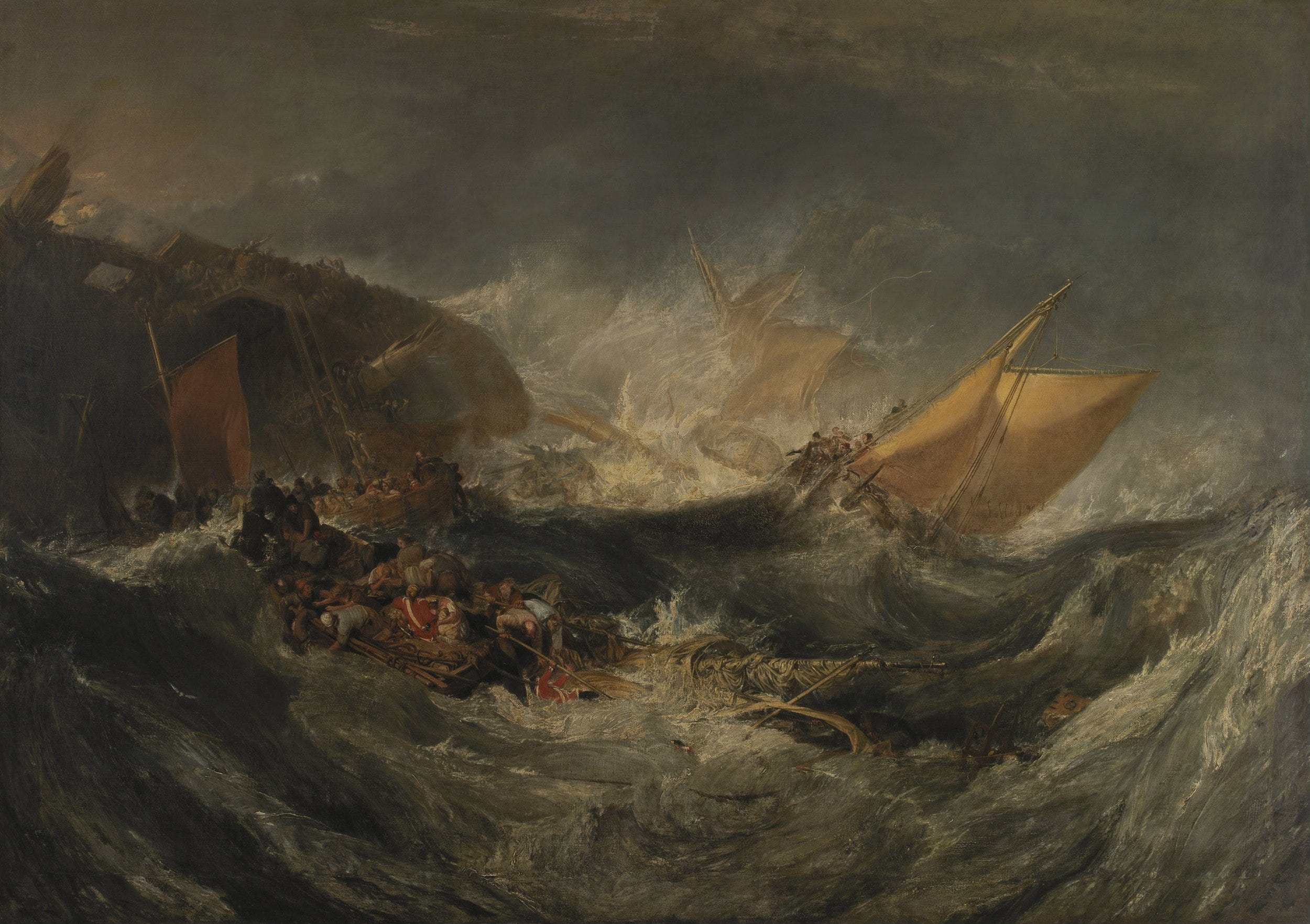
An annotated bibliography on naval warfare in the late eighteenth century.
German Perspectives on the U-boat War, 1939-1941
Journal of Military History 85, no. 2 (April 2021): 369–398.
Until the United States entered World War II, Britain’s isolation left it vulnerable to U-boats. Yet even when the campaign appeared to be going well, the German Naval War Staff worried that it was likely to be unsuccessful. The staff’s pessimism has been largely absent from the Anglophone historiography. The fundamental problem was that the Germans needed to secure a decisive result quickly, before the full weight of U.S. industrial might could be felt, but they were deploying a weapon designed for a long war. This article calls attention not only to this dilemma, but to the German awareness of it.
A Grand Tour on a Budget: Naval Officers and Intelligence Gathering in the Age of Sail
Trafalgar Chronicle, New Series 9 (2024): 25–33.
Based on a conference paper, this short article explores the phenomenon of British naval officers using peacetime windows to travel in Europe and the Middle East. They did so both because gentlemen went on Grand Tours, and thus travel to the continent was associated with elevated social status, and because they could move freely in the maritime world. As an added benefit, they had opportunities to scout future enemies and even gain entrance to enemy naval facilities.
Soldiers versus Veterans: Peacemaking in Britain after Napoleon
In Soldiers in Peace-Making: The Role of the Military at the End of War, 1800–Present, ed. B.A. de Graaf, Thomas Vaisset, and Frédéric Dessberg (Bloomsbury Academic, 2023)
Tens of thousands of soldiers were discharged from the British army after Waterloo. They entered a depressed labor market, exacerbated by the eruption of Mount Tambora and subsequent “year without a summer” in 1816. In this atmosphere of unemployment, disruption, and national exhaustion, protests erupted. At the same time, more than 60,000 soldiers remained in military service after Waterloo, and they were deployed as peacekeepers and policemen around the British Isles. Soldiers made poor policemen, as they had a tendency to use their weapons sooner than the authorities usually liked. But there were few other options before the establishment of regular police forces. As a result, the postwar period was characterized by clashes between soldiers and veterans. How the two groups perceived each other, and what that says about working class and veteran identities, are questions that emerge from this research.
Sir John Orde and the Trafalgar Campaign: A Failure of Information Sharing
Naval War College Review 73, no. 2 (2020): 141-171.
Many of Sir John Orde’s contemporaries thought he was a coward, partially responsible for Nelson’s failure to track down the Combined Fleet during the summer months of the Trafalgar Campaign. Sir Julian Corbett disagreed, arguing that Orde demonstrated laudable strategic insight. Most modern historians have followed Corbett’s lead. This article challenges the Corbettian consensus to suggest a new interpretation of Orde’s actions off Cadiz.
The Naval Defence of Ireland in the French Revolutionary and Napoleonic Wars
Winner of the Sir Julian Corbett Prize in Modern Naval History; Historical Research 92, no. 257 (2019): 568-584.
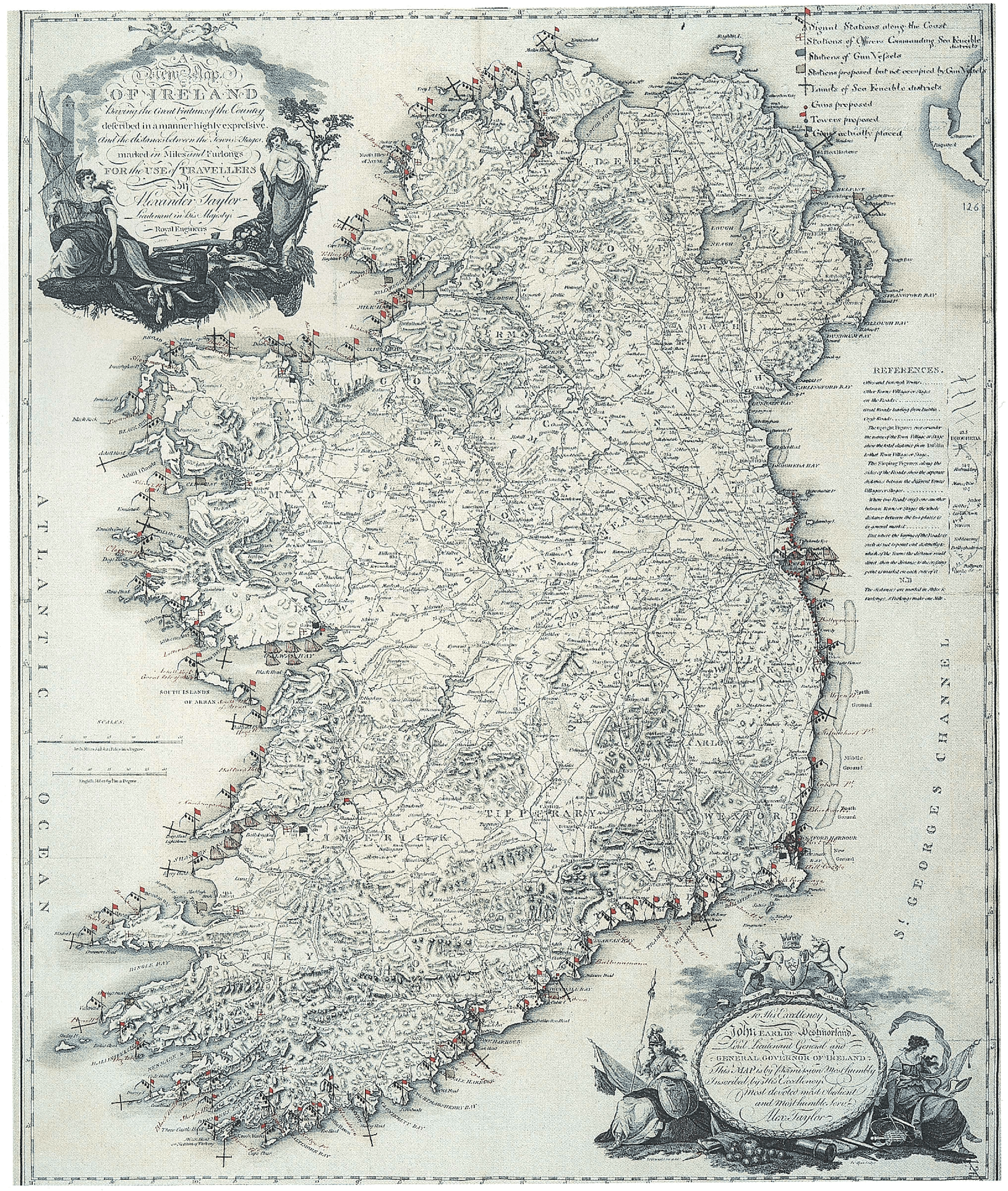
Poor weather was all that prevented the French from landing successfully at Bantry Bay in 1796—the Royal Navy was noticeably absent. This article examines the British response to this failure, with a particular focus on the under-examined early years of the Napoleonic Wars. Doing so reveals not only the continuing significance of the invasion threat and the ways in which the British countered it, but also the challenges facing British military officials—challenges that their colleagues tasked with the defense of England, Scotland, and Wales did not face. As Irish historians have noted, the first years of the Union were characterized by uncertainty about essential components of that Union: nationalism, patriotism, loyalism, and religious identity. What has not been discussed before are the ways in which those forces shaped British naval defense efforts, and vice versa. Drawing on previously unexamined sources, it connects naval defense efforts to broader questions of British and Irish history.
Particular Skills: Warrant Officers in the Royal Navy, 1775–1815
In A New Naval History, ed. Quintin Colville and James Davey (Manchester University Press, 2018).
Warrant officers are the forgotten men of the Georgian navy. Above them, commissioned officers have received substantial historical attention, beginning with, but not limited to, the ever-increasing biographies of Nelson. Below them, the lower deck has come under increasing scrutiny, much of it focused on the question of impressment. Warrant officers of wardroom rank, on the other hand, have only been studied in fits and starts. These men—the master, the purser, the surgeon, and the chaplain—lack the glamour of commissioned officers and the political salience of impressed men on the lower deck. But the failure of the historical profession to study warrant officers should not be seen as reflecting their value to the navy and its operations. They were prominent members of every ship, and the master, purser, and surgeon had particular skills that were unique on board and essential for life at sea. They ate and in some cases berthed alongside commissioned officers in the wardroom, and saw themselves as socially and professionally comparable.
Social Background and Promotion Prospects in the Royal Navy, 1775–1815
The English Historical Review 131, no. 550 (2016): 570–95.
The professions in eighteenth-century Britain included sons of the aristocracy and sons of the middling sort. This article uses naval officers as a case-study for exploring the relationship between social status and merit. Using techniques made possible by the emergence of large quantities of digitized source material, it revises the work of Michael Lewis by describing and analyzing a database of 556 commissioned officers who served in the Royal Navy during the French Revolutionary and Napoleonic Wars. Officers came from lower down the social spectrum than Lewis found, and, above a certain social threshold, there does not seem to have been any correlation between an officer’s social background and his promotion prospects. The pressures of more than two decades of war meant that senior naval officers could not afford to overlook able candidates for promotion in favour of the social elite. For naval professionals, social background mattered less than merit; however, merit retained elements of birth-right and lineage as traditionally defined in early modern Europe. The research presented here suggests that the case of naval officers differs somewhat from the existing historiography of the professions.